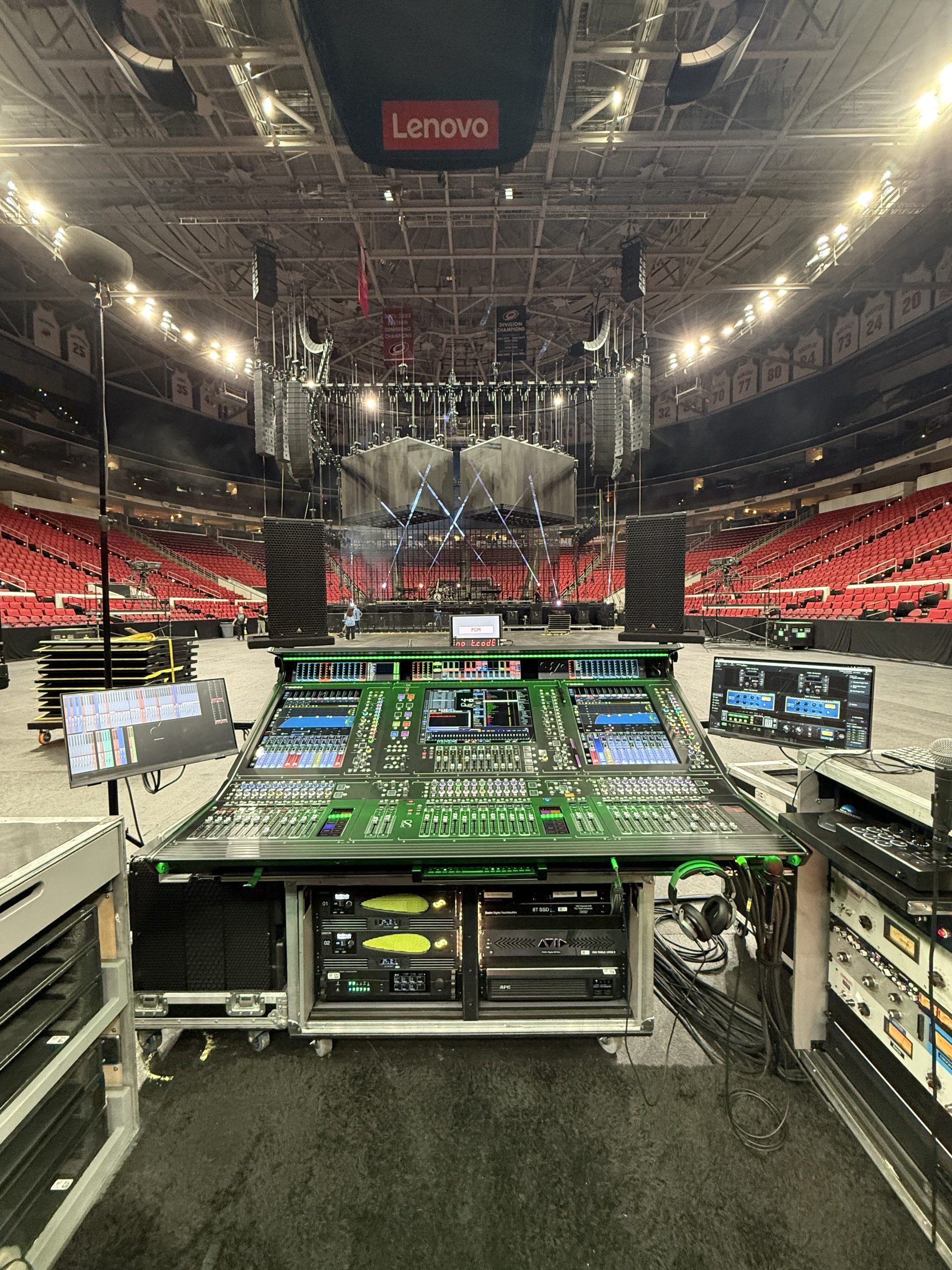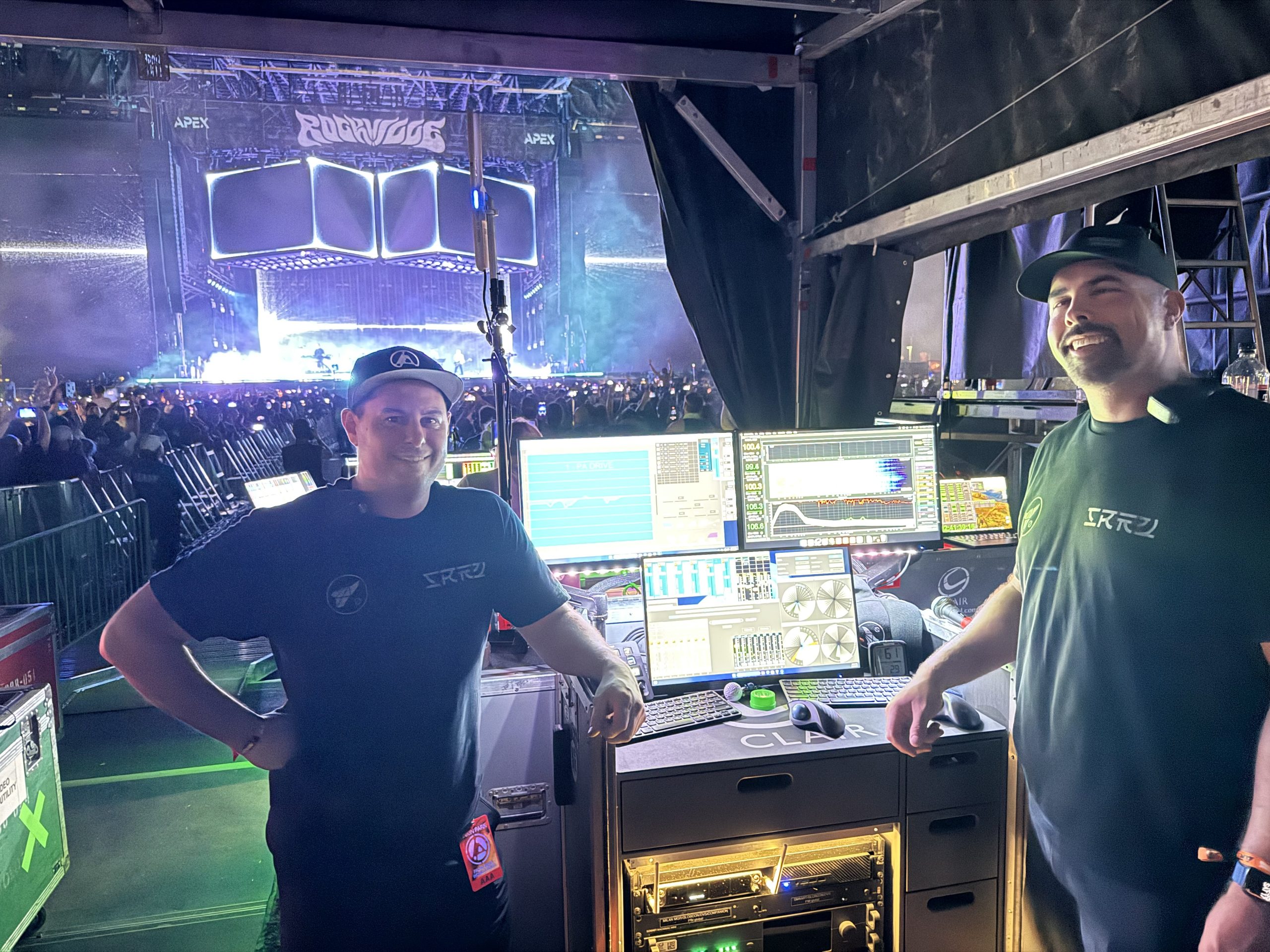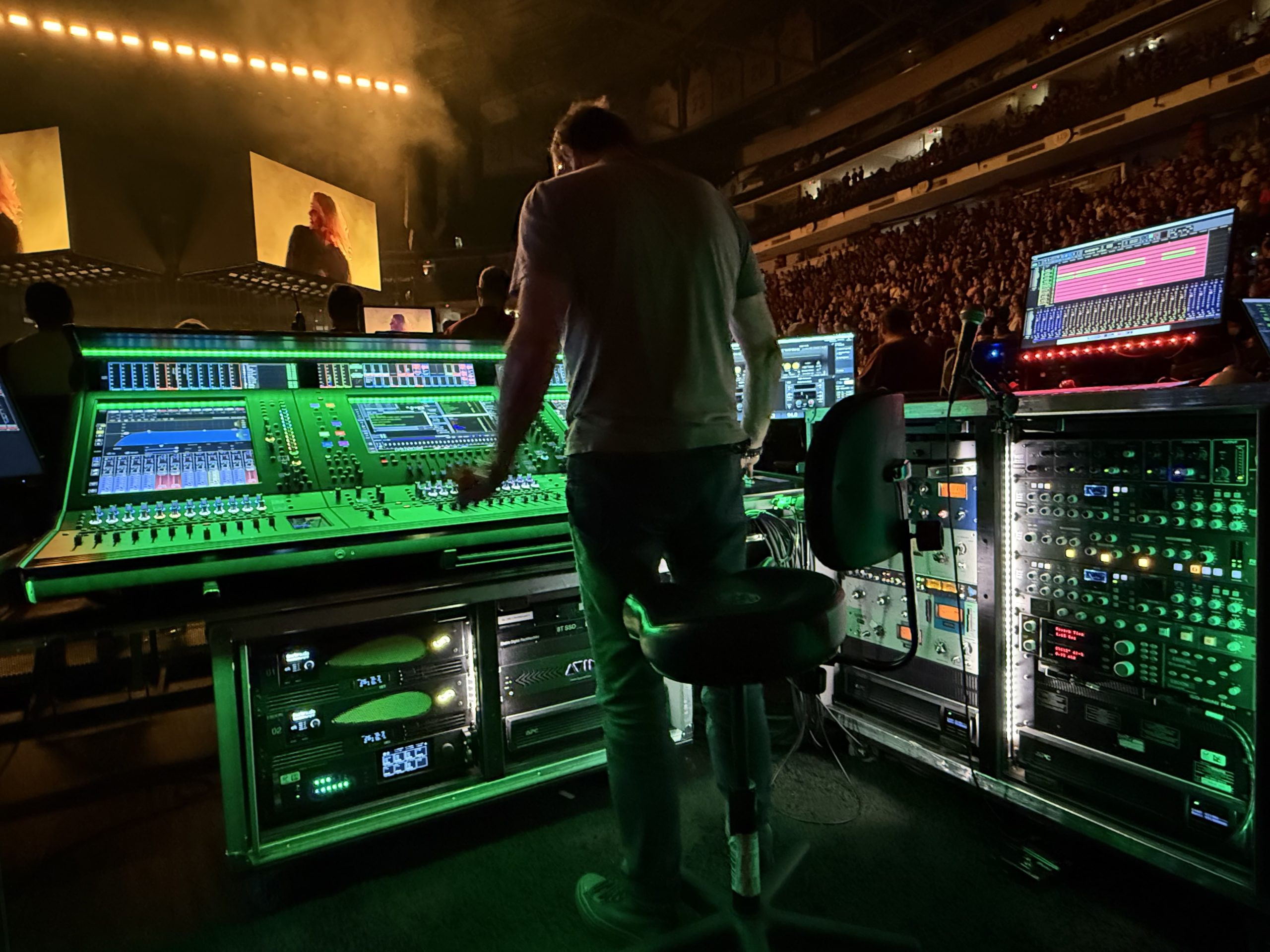
DirectOut manufactures high-end, flexible audio solutions and when Ricki Cook was employed as the systems architect for Linkin Park, he turned to the DirectOut PRODIGY and EXBOX Series to ensure his audio set-up was compatible with any system, anywhere in the world. Whether the show is a fly-in gig in South America, a US TV show, or performing in a European stadium, the band’s audio system is ready for anything and fully redundant thanks to DirectOut’s solutions.
Beginning his career in systems integration followed by live/touring sound, he then diversified into broadcast where he discovered the flexibility of DirectOut, and has been using the products for over a decade.
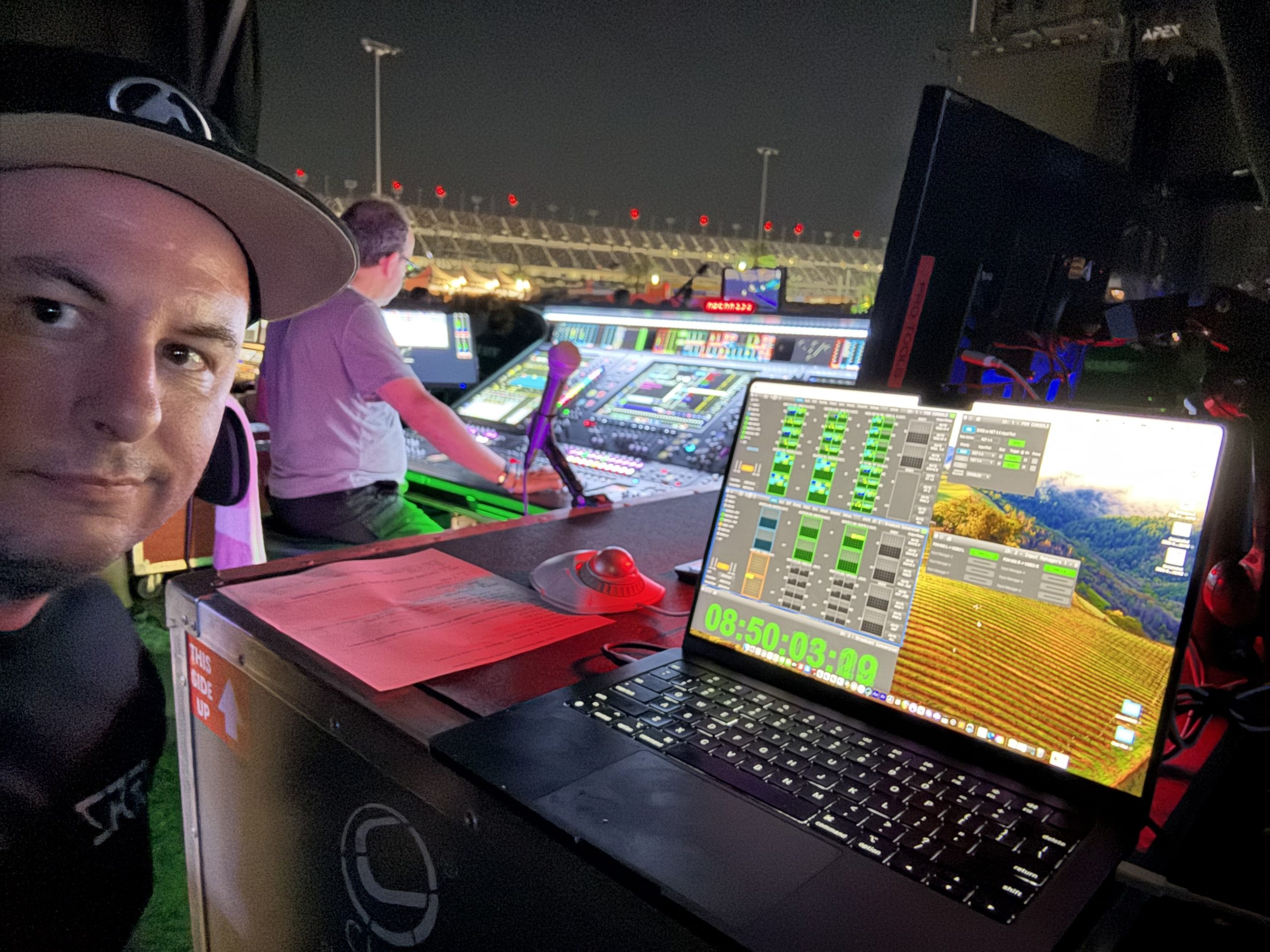
When the opportunity to engineer Linkin Park’s FOH & broadcast systems was offered, Cook jumped at the chance to get back out on the road. They are now halfway through their worldwide From Zero Tour with dates in 2026 across the UAE, Australia and Europe to go.
“From the very beginning, the production manager said ‘Be prepared for anything’, and I knew there’s only one box that can do literally everything, the PRODIGY.MX,” he explains. “There are very few devices on the market that can actually go to the same level of detail in a box that's packaged to tour and has a very usable interface. We use globcon for all of our system monitoring with a Stream Deck interface for tactile control.”
The band’s audio and video engineers utilize six PRODIGY Series products in a range of roles throughout the audio and video systems. On stage, there is a PRODIGY.MP in the keyboard rig and one in the playback rig, facilitating failover and Dante conversion, plus up-sampling from 48k to 96k, so the stage can interface with the rest of the audio system. These rigs were designed and supplied by Fred Carlton of Nerdmatics.
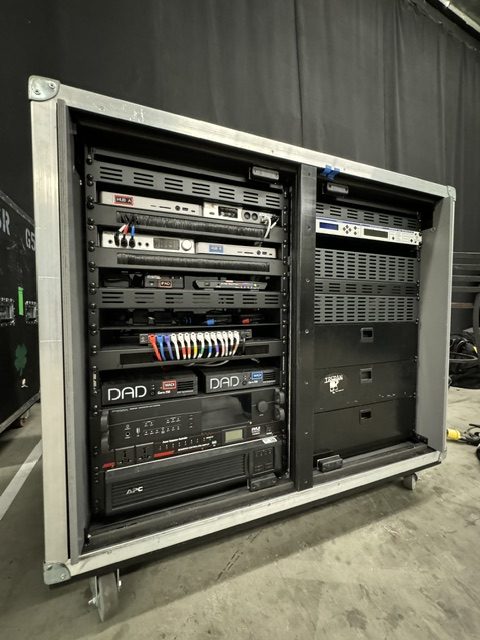
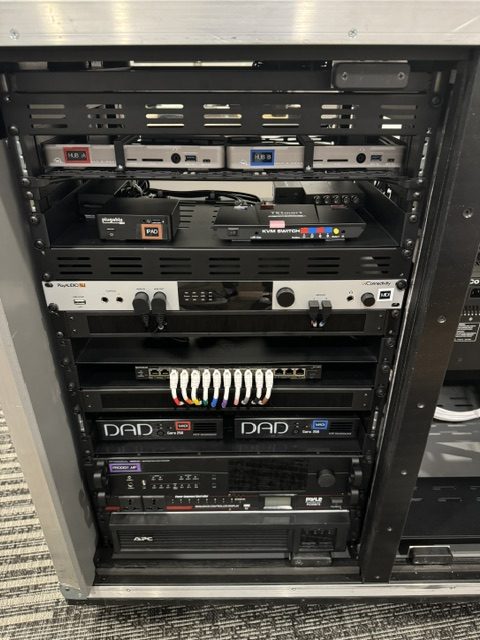
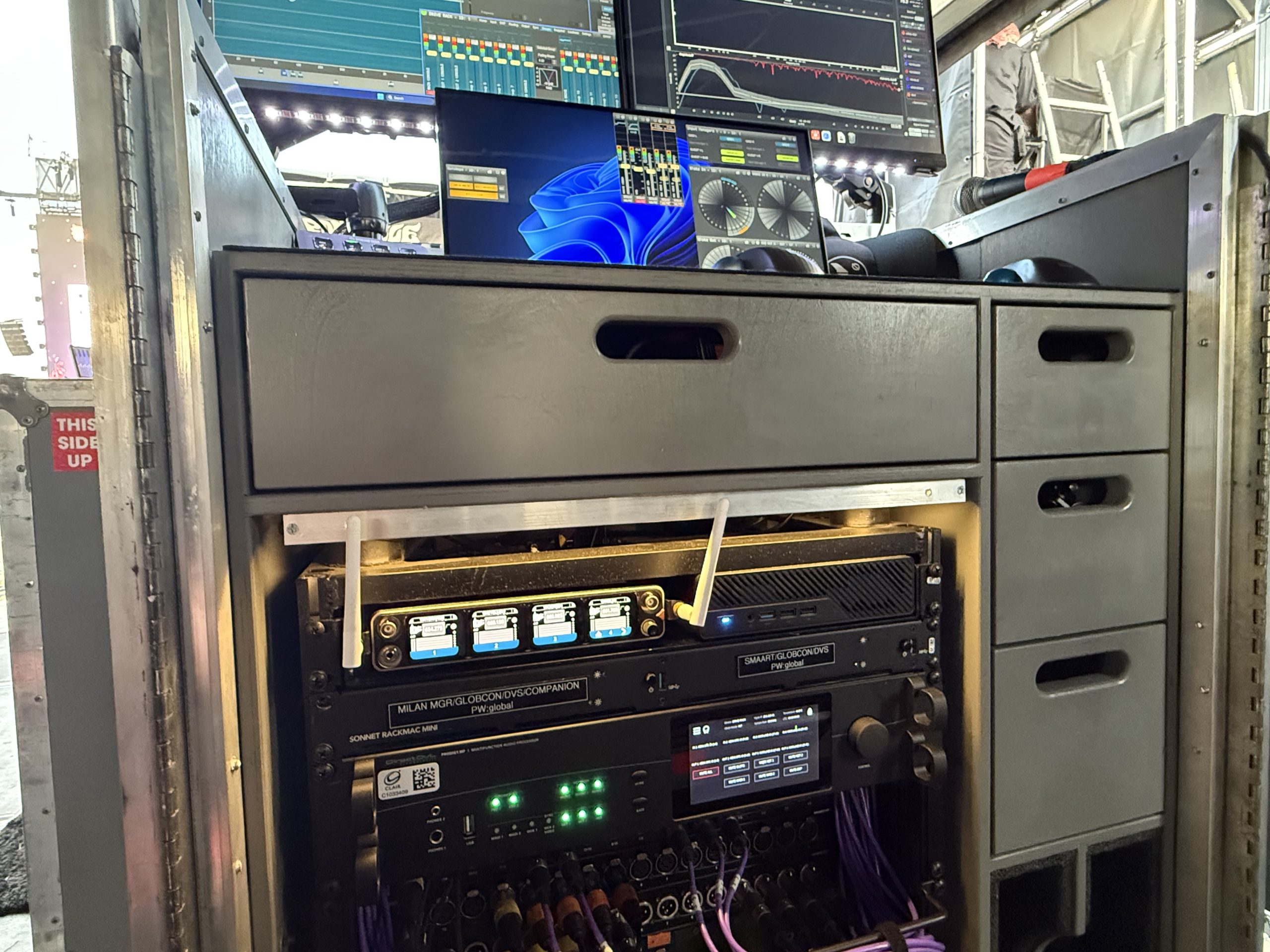
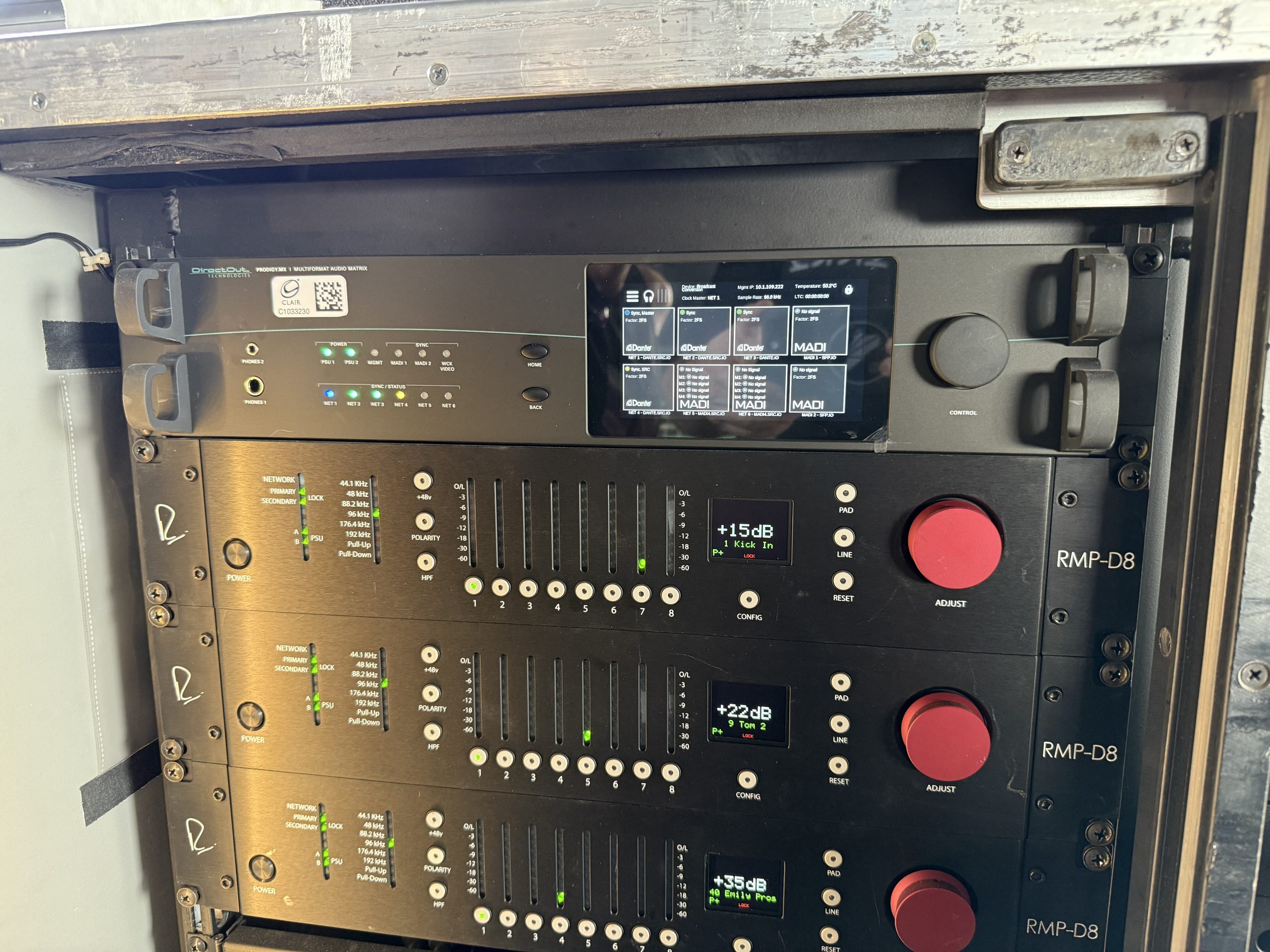
A third PRODIGY.MP drives the main PA. The fourth is a PRODIGY.MX in the front of house effects rack, alongside a PRODIGY.MC handling analogue inserts. The .MX manages the change-over of audio-feeds & redundancy for a DiGiCo Quantum 852, supplied by Sound Image, a Clair Global Company. The audio is then sent to the Pro Tools recording system via MADI and Fourier transform.engines via Dante. Pro Tools is used for virtual sound check and archiving, while the Fourier transform.engine delivers processing and plug-in management for the front of house mix.
The PRODIGY.MX seamlessly manages the change-over between the DiGiCo engines and the rest of the rig. This ensures that, regardless of where the switch happens in the chain of devices, it is guaranteed to be glitch free.
“We're using BLDS to do fail-over between the Fourier engines. So, if one fails, BLDS loses tone and instantly switches to the back-up,” Cook explains. “This way, the Fouriers can failover without having to fail the engines on the console over, too, which would be more disruptive.
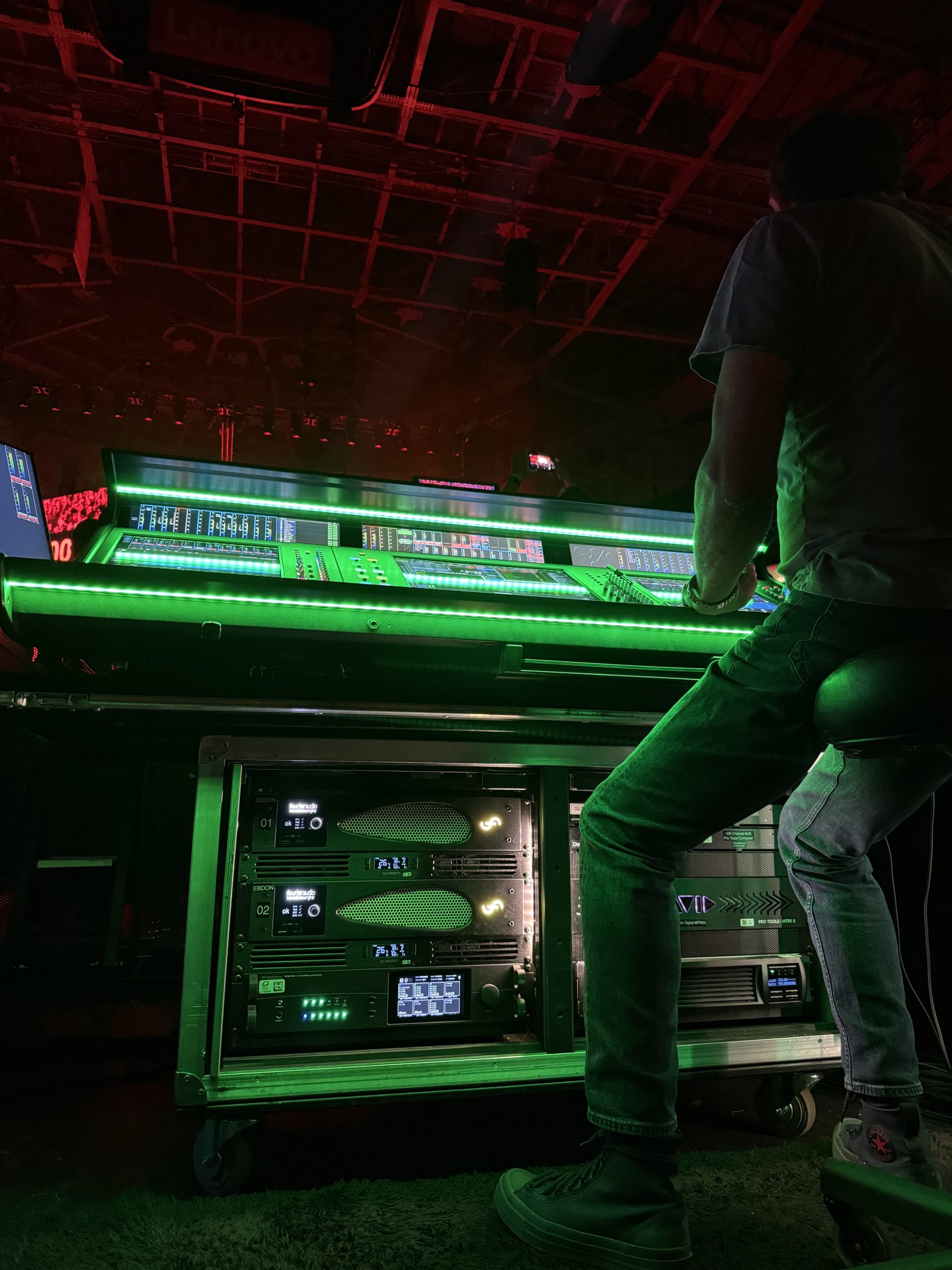
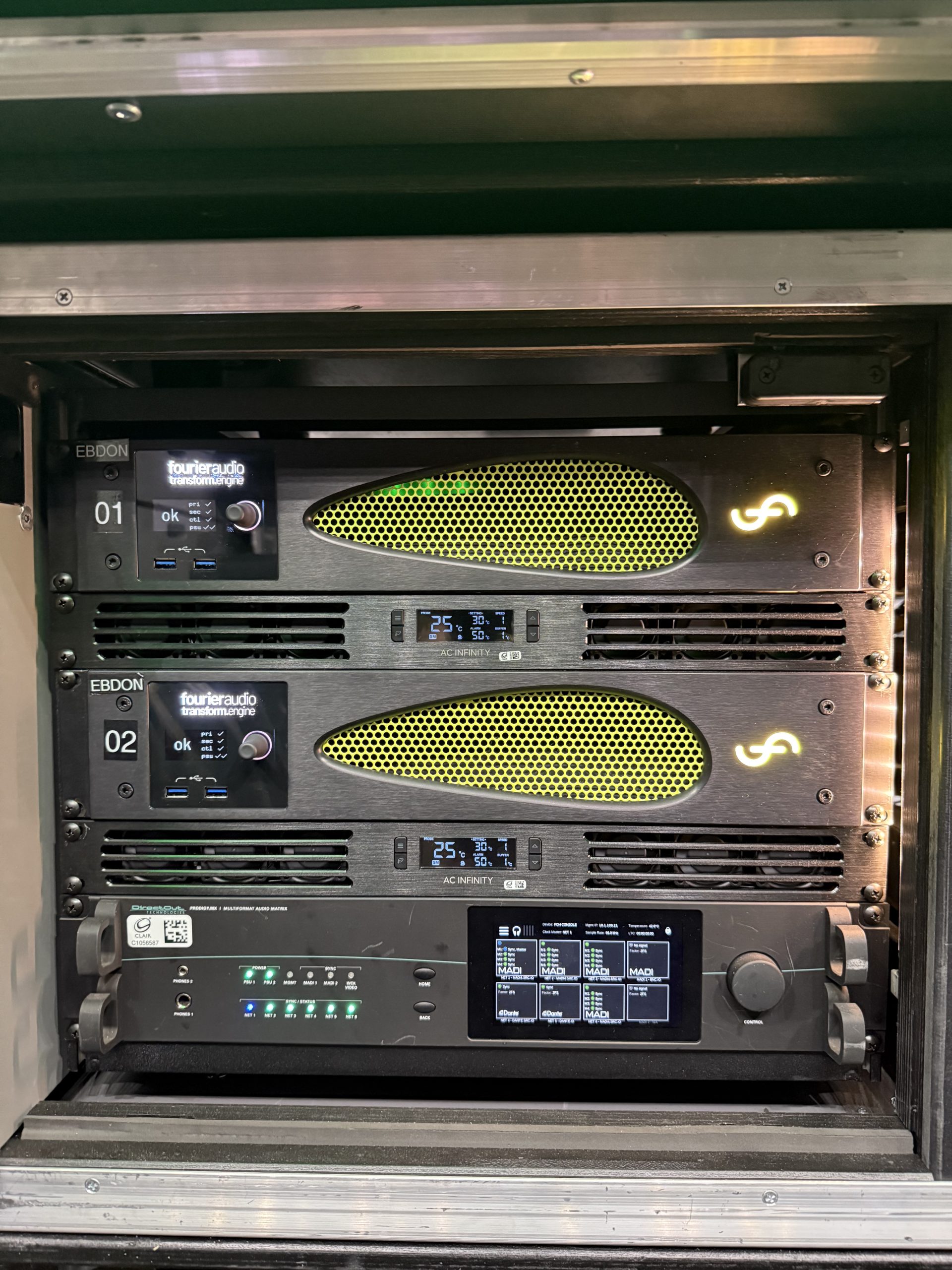
Or we can switch the engines over on the console without having to force the Fourier to fail over as well. Either way, Pro Tools never loses the feed, so we never lose a record or various feeds to downstream systems. It’s seamless.”
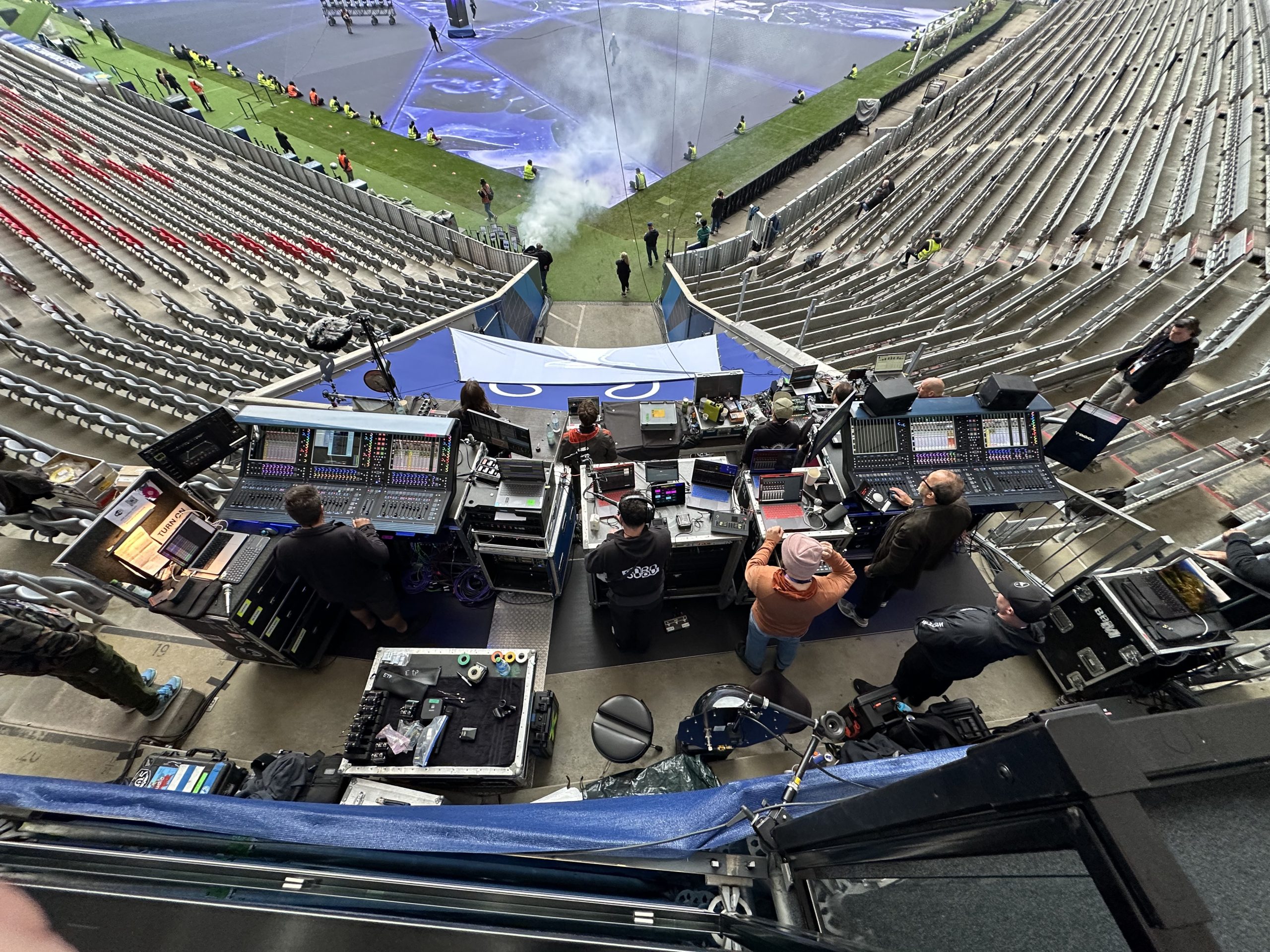
The sixth device, another PRODIGY.MX, manages the interface for the band’s in-house broadcast team. This department supplies content for the band’s YouTube channels and for special events, such as the e-sports League of Legends at London’s O2 Arena. The set up also enables the team to have complete control over content for any broadcast requirements from external crews, such as local media teams.
“The Broadcast PRODIGY.MX does a 96k to 48k conversion for broadcasters, and then isolates the clock domain for them, so they can be floating on their own clock and it doesn't affect us,” Cook continues. “I use the high density MADI SRC & Dante SRC cards. The MADI cards are loaded with a pair of multimode SFPs, Singlemode SFPs and coax SFPs.
This means it doesn't matter what the external crews are running, I can just plug it in and the same output appears on all of them. We used that in London last year for League of Legends where the local team could just hand me a pair of Singlemode fibers & no additional conversion was needed, it was as simple that.”
Extending the systems capability, Cook uses BiDi SFPs in the HD MADI SRC cards, allowing up to 4 MADI circuits down a single opticalCON Quad fiber to the EXBOX.MD remote nodes to deliver audio to broadcast consoles on the stadium shows that are streamed locally, still maintaining the ability to deliver SM, MM, coax or Dante at the remote end in those broadcast scenarios.
The modular design of the PRODIGY Series allows engineers to prepare for any imaginable combination of output requirements, whether that is multi-mode fiber in Brazil, or coaxial cables in North Hollywood. Cook and his team are able to supply exactly what is required effortlessly, reducing set-up time and potential stress. As he concludes, knowing that you can accommodate any network protocol or processing speed leaves more time and space to really perfect your show, benefitting everyone on the tour.
“When we were touring through South America and Asia the PAs were locally provided. One day we'd show up and we'd have to feed the PA with Dante, the next day it would be AVB, the next, AES. I've got all of those cards loaded into my PRODIGY.MP at FOH and it's just easy,” he finishes. “It doesn't matter what they're running, I can just plug them into the PRODIGY and it makes life easier.”